






Shaving With Dry Skin: How to Adjust Your Shave for Fall

As the autumn leaves begin to turn and that familiar crisp, cool air hits your face, you might notice your skin reacting to the seasonal shift. Autumn is a gorgeous time of year, full of cozy sweaters and rich coffee, but it is notoriously tough on your face. When humidity drops and cold winds pick up, your skin’s lipid barrier takes a direct hit.
If you find yourself struggling with shaving with dry skin, you are definitely not alone. Many men notice that their usual grooming routine suddenly causes skin flaking, razor burn, or an uncomfortable, tight feeling after each pass of the blade.
In this guide, we'll walk you through how cold weather affects your skin barrier, the essential pre-shave steps to prevent irritation, and how switching to a traditional wet shave, with the right technique and post-shave care, keeps your face smooth and protected all fall long.
- Why Fall Weather Disrupts Your Skin Condition
- The Danger of Dry Shaving and Canned Foams
- Pre-Shave Preparation: Creating a Clean Canvas
- Mastering the Wet Shave: Technique Matters
- Autumn Post-Shave Routine: Lock in Moisture
- Adjusting Your Shave Frequency for Fall
- Quick Reference Checklist for Fall Wet Shaving
- Final Thoughts: Embrace the Ritual
- Frequently Asked Questions About Dry Skin Shaving
Why Fall Weather Disrupts Your Skin Condition
 Cold autumn weather and low humidity weaken your skin’s natural lipid barrier, making dry skin far more susceptible to irritation and razor burn.
Dry skin can involve lipid barrier depletion, in which the protective lipids in the skin barrier are reduced or disrupted. As autumn arrives, lower humidity and colder temperatures can increase moisture loss, while indoor heating further dries the air—leaving your face feeling dry, tight, or more sensitive before you even pick up a razor.
As board-certified dermatologist Dr. Hope Mitchell1 explains: “As we’re transitioning to fall, the dryer air draws moisture right out of the skin. Cooler weather may strip the skin's protective barrier, creating breaks in the outer layer that allow water to escape and irritants to settle into the skin.”
When your natural lipid barrier is already compromised by autumn weather, dragging a steel blade across your face introduces direct mechanical stress to an already vulnerable surface.
Shaving doesn't just cut facial hair—it directly interacts with this weakened barrier in three critical ways:
-
Exfoliation
A razor removes more than facial hair. Each pass also lifts away some surface skin cells, and repeated or aggressive passes can over-exfoliate already-irritated skin, leaving it feeling raw, tight, and dry.
-
Barrier Depletion
Shaving can remove the top layer of skin cells along with facial hair, inadvertently stripping moisture from your face.
-
Friction Damage
Without proper lubrication, a razor can scrape away your natural oils, leaving your skin irritated.
When you combine cold weather with improper technique, the result is often severe dryness, redness, and persistent razor burn.
The Danger of Dry Shaving and Canned Foams
 Shaving directly on unlubricated skin increases friction, causing microscopic blade scrapes, flaking, and severe razor burn on cold-weather dry skin.
If there is one cardinal rule for cold-weather grooming, it is to avoid dry shaving at all costs. Shaving without a protective barrier relies on pure friction. Without moisture, the blade tugs at hair follicles, scrapes the surface raw, and causes immediate micro-tears, flaking, and razor burn2.
However, reaching for a standard canned aerosol foam isn't much better. Most commercial foams contain:
-
Harsh Propellants & Sulfates
Create a temporary foam that lacks genuine lubrication, leaving your skin unprotected.
-
Drying Alcohols
Actively strip your face's natural lipid barrier, compounding seasonal dryness before the blade even touches your skin.
To protect vulnerable skin, swap synthetic aerosols for lipid-rich wet shaving products:
| Shaving Method | Impact on Skin Barrier | Key Benefit / Drawback |
| Canned Aerosol Foams | Strips natural lipids & dries outer skin layers | Harsh propellants offer poor blade cushion |
| Wet Shave Soaps & Creams | Preserves moisture & reinforces skin barrier | Rich in natural oils; creates a dense, hydrating cushion |
Switching to traditional wet shaving changes everything. A rich, lipid-heavy lather combined with warm water minimizes blade friction, cushions every pass, and locks in essential hydration.
Pre-Shave Preparation: Creating a Clean Canvas
 Massaging a nourishing pre-shave oil into damp facial hair creates a slick protective barrier that softens hair and prevents blade friction on dry autumn skin.
Before reaching for your razor, take a few minutes to prepare your skin. The right pre-shave routine helps remove buildup, soften facial hair, and protect your skin from unnecessary friction.
Start with these four simple steps to create the ideal canvas for a smoother, more comfortable shave.
1. Always Cleanse with Lukewarm Water
Always cleanse your face before shaving to remove impurities, excess sebum, and daily grime. Use lukewarm water to cleanse your face before shaving—never hot water.
While a steaming-hot wash feels great on a chilly fall morning, hot water strips your natural lipid layer, causing immediate dryness and inflammation.
Pair your lukewarm water with a hydrating face wash or a sulfate-free cleanser. This ensures you properly cleanse the skin without disturbing its delicate moisture balance.
2. Time Your Shave Right
Shave immediately after a shower for best results. The steam and ambient heat from the shower naturally hydrate your facial hair, making it up to 60% softer and significantly easier to remove hair without tugging.
3. Exfoliate Carefully
Exfoliate your skin to remove dead skin cells before shaving. Clearing away this layer prevents dead skin from clogging your blade, allowing for a closer shave.
However, be mindful not to over-exfoliate during the fall. Gentle exfoliation once or twice a week is plenty; doing it daily will strip your skin's top layer, leaving it dry or tight.
4. Cushion Your Skin with Pre-Shave Oil
Apply a nourishing pre-shave oil to create a protective cushion on your skin. A few drops of natural oil massaged into damp facial hair soften the beard and create a smooth shaving slip. This extra layer allows the razor to glide effortlessly, making it essential for anyone managing dry skin while shaving.
Mastering the Wet Shave: Technique Matters
 Using a sharp, single-edge straight razor lets you clear hair cleanly in one pass, minimizing friction and preventing razor burn on dry skin.
With your skin cleansed, hydrated, and properly prepped, it’s time to focus on how you actually shave. For dry or tight skin, technique matters just as much as the tools you use.
The goal is to keep friction low, maintain plenty of moisture and lubrication, and stay in control of every stroke. Here are a few shaving tips to make each pass as smooth and skin-friendly as possible.
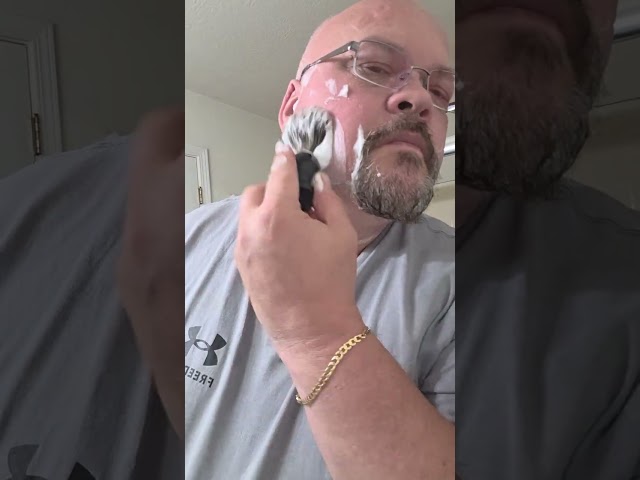
1. Warm Your Lather with a Shaving Scuttle
Cold or room-temperature shaving foam can shock your skin and tighten pores. Upgrade your routine by using a shaving scuttle like the Naked Armor Silver Fox Scuttle. Designed with double-walled stainless steel construction and a secure cork heat stopper, a scuttle allows you to pour hot water into an outer reservoir while building your lather in the top basin.
As you whip up your shave soap using your shaving brush, the heat transfers through the steel basin. Spreading rich, warm lather over your face softens coarse hair faster, warms the skin, and creates an insulating thermal barrier that keeps dry skin comfortable throughout multiple passes.
2. Choose Rich, Moisturizing Shave Soaps
Ditch cheap shaving gels, canned foams, and chemical-heavy lathers. Choose rich, moisturizing shave soaps instead of traditional canned foams—specifically, options formulated with natural, organic ingredients and botanical oils that nourish dry skin rather than strip it.
A standout choice for autumn wet shaving is Naked Armor Noah's Organic Bay Rum Shaving Soap 200g. Crafted with cold-pressed organic ingredients—including nourishing raw shea butter, olive oil, and coconut oil—this 100% organic soap whips up into an exceptionally thick, protective lather right in your scuttle.
Its rich lipid base cushions the blade, provides superior glide, and helps prevent dryness, all while releasing a warm, slightly spicy autumn bay rum scent.
3. Use a Sharp, Clean Blade
Shaving dry skin requires a delicate approach to avoid irritation. A dull blade requires multiple passes and irritates dry skin as it drags across the surface, causing microscopic tears. Always start shaving with a sharp, clean razor.
For the ultimate precision shave, the Naked Armor Solomon Straight Razor is built to excel. Forged from high-grade Japanese steel and balanced with an ergonomic Algum wood handle, its razor-sharp single blade cuts hair smoothly at skin level in a single pass. Using a single-edge straight razor eliminates the multi-blade tug-and-pull that leads to razor burn.
Avoid shaving with a dirty blade—rinse it regularly under warm running water—to ensure dead skin cells and soap residue don't compromise the edge.
4. Mind Your Pressure and Direction
When you hold your razor, keep the following golden rules in mind:
-
Shave with the Grain
Always shave with the grain to minimize irritation and razor burn. Pushing against the direction of hair growth pulls the follicle back and scrapes the surface raw.
-
Use Light Pressure
Use light pressure when shaving to avoid scraping the skin. Let the natural weight of a premium straight razor or safety razor do the work for you. Applying too much pressure digs the blade into your face, stripping away healthy skin cells.
-
Take Careful Strokes
Use short, gentle strokes rather than long sweeping motions. Carefully shave around tricky contours like the jawline and neck area.
-
Avoid Over-Shaving
Going over the exact same spot repeatedly without re-lathering is a fast track to severe irritation. If you need a second pass, reapply warm lather from your scuttle first.
Autumn Post-Shave Routine: Lock in Moisture
 Applying an alcohol-free balm infused with hemp oil post-shave helps replenish lost moisture and rebuild your skin’s barrier against harsh autumn weather.
The razor may have finished its job, but your skin still needs attention. After shaving, your skin can be more vulnerable to dryness, irritation, and moisture loss, especially as autumn’s cooler air begins to take its toll.
A thoughtful post-shave skincare routine helps calm freshly shaved skin, replenish lost moisture, and reinforce your skin’s protective barrier. Follow these steps to finish your shave on a comfortable, hydrated note.
1. Cold Rinse and Gentle Drying
Rinse with cold water after shaving to soothe the skin and close up your pores. Gently pat your face dry with a clean towel instead of rubbing. Rubbing a fresh shave with a rough towel creates unnecessary friction and instantly inflames sensitive skin
2. Ditch Alcohol-Based Aftershaves
Avoid alcohol-based aftershaves to prevent drying and irritation. Old-school splash aftershaves laden with denatured alcohol sting for a reason—they can dry out your skin and contribute to barrier irritation.
Instead, choose an aftershave based on your skin type: look for nourishing, hydrating balms if your skin is dry or sensitive, while lighter lotions or splashes may be better suited to normal or oily skin.
3. Layer Your Post-Shave Products
Instead of a harsh splash, build a hydrating barrier:
-
Toner
Mist your face with toner immediately after shaving to restore your skin’s natural pH balance.
-
Aftershave Balm
Apply a soothing aftershave balm post-shave. Look for nourishing ingredients like hemp oil, sunflower seed oil, vitamin E, beeswax, and calendula oil to help hydrate, nourish, and calm freshly shaved skin. Eucalyptus and cedar oils can also provide a refreshing finish.
-
Hydrating Serum
Use a hydrating serum after shaving to lock in moisture. Ingredients like hyaluronic acid draw moisture deep into the skin, plumping up cells and repairing the top layer.
-
Moisturizer
Apply a moisturizer immediately after shaving while skin is slightly damp. A rich, heavy-duty autumn moisturizer acts as a protective coat, shielding your face against cold winds and dry indoor heat throughout the day.
Adjusting Your Shave Frequency for Fall
When the weather turns cold, your skin needs time to heal between sessions. If you suffer from extreme dryness or sensitivity, adjust how often you shave.
Limiting your shave frequency gives your lipid barrier time to regenerate. Shaving should be limited to once every two to four weeks for dry skin during severe seasonal flare-ups, or reduced to 2–3 times a week for standard maintenance. Giving your face a rest prevents chronic inflammation and allows your skin condition to stabilize naturally.
| Skin Type | Seasonal Shaving Frequency Guide |
| Normal / Combination Skin | 2-3 times per week |
| Mildly Dry Skin | Every 3-4 days |
| Severely Dry / Sensitive Skin | Every 3-4 days or spot-trim only |
If you must stay clean-shaven for work, swap out harsh electric razor setups—which generate friction heat and pull on dry hairs—for a single-pass wet shave with nourishing pre- and post-shave products.
Quick Reference Checklist for Fall Wet Shaving

To keep your grooming routine effortless, keep this step-by-step summary in mind as the temperature drops:
| Step 1: Prep |
|
| Step 2: Lather |
|
| Step 3: Shave |
|
| Step 4: Post-shave |
|
Final Thoughts: Embrace the Ritual
At the end of the day, shaving shouldn't feel like a painful morning chore that leaves your face stinging, flaking, or feeling uncomfortable and tight. When the autumn chill hits, it is simply your skin's way of asking for a little extra TLC.
By slowing down and making a few easy tweaks—swapping out harsh canned foams for warm, rich lathers, cushioning your skin with pre-shave oil, and giving your face the post-shave moisture it craves—you turn a basic task into a truly luxurious ritual.
So take your time, enjoy the cozy autumn vibes, and treat your skin to the smooth, comfortable wet shave it deserves all season long.
Frequently Asked Questions About Dry Skin Shaving
Can I shave every day if I have dry skin?
If you have severely dry or sensitive skin during the fall and winter, it is best to limit shaving to every 3-4 days to allow your lipid barrier time to recover. If your job requires you to be clean-shaven daily, it is absolutely essential to use a high-quality pre-shave oil and a single-blade razor to minimize daily friction.
Is it really that bad to dry shave?
Yes, dry shaving is highly damaging, particularly in cold weather. It relies on pure friction between the blade and your face, pulling at individual hair follicles and scraping the surface raw. This guarantees severe flaking, persistent razor burn, and microscopic tears in your skin.
Can I just use coconut oil or body soap instead of shaving cream?
While natural oils offer moisture, standard body soap actively strips your skin's natural oils and lacks the necessary cushion for a safe shave. A dedicated, organic wet shave soap is specifically formulated to create a thick, protective lather that allows a razor to glide effortlessly while deeply hydrating the skin.
Why does my face sting when I apply aftershave in the fall/winter?
If your aftershave stings, it likely contains denatured alcohol. While this used to be a traditional way to sanitize a shave, alcohol instantly strips moisture and damages an already compromised winter skin barrier. Always switch to an alcohol-free aftershave balm containing soothing ingredients like aloe vera or chamomile during the colder months.
More Related Articles
Men’s Facial Hair Grooming Guide: Transitioning Your Look for Fall
Clean Shaven vs Beards: Pros and Cons of Men Having Facial Hair
Advantages and Disadvantages of Wet and Dry Shaving
References
- Stewart, K., & Marsh, N. (2023, August 21). Make these fall skin care swaps for glowing skin all season long. The Zoe Report. https://www.thezoereport.com/culture/gloria-steinem-fashion-legacy
- Cleveland Clinic. (2022, July 30). Razor burn. Cleveland Clinic Health Library. https://my.clevelandclinic.org/health/diseases/23583-razor-burn













Leave a comment