






Tools of Independence: Why Traditional Shaving is a True Fourth of July Tradition

The summer sun hangs heavy over the lawn, turning the grass a deep, vibrant green. In the distance, the faint sound of a parade marching band drifts through the humid July air, a welcoming reminder that the holiday has arrived. For many, the 4th of July tradition is defined by the smoky smell of charcoal from a backyard barbecue, the refreshing taste of crisp watermelon and classic potato salad, and the shared anticipation of brilliant fireworks lighting up the night sky.
Yet, beneath the clamor of community July celebrations, the long weekend gatherings, and the fun of outdoor games with friends and family, lies a quieter, more profound ritual that reaches back to the very birth of our country.
While Americans across the USA gather to celebrate Independence Day, the act of personal grooming—specifically the disciplined ritual of a traditional, steel-blade shave—serves as an intimate bridge to our past. It is an intentional, solitary act of preparation; a grounding morning ritual that honors the history of the American Revolution1.
Before the cold drinks flow, families pack up for a vacation, or boats take to the East River to watch spectacular fireworks displays, there is a rare moment of stillness at the mirror. This is a celebration of autonomy that starts not with a roar, but with a steady hand.
- The Age of Artisan Steel: The Craftsmanship of the Past
- The Barbershop: The Heartbeat of Early American Community
- The 20th Century Shift: From Artisan Steel to Disposable Culture
- Modern Times and the Wet Shaving Renaissance
- The 4th of July Tradition: Wet Shaving as a Rite of Preparation
- Mastering the Blade: A Technical Approach to the Craft
- Curating Your 4th of July Kit: The Anatomy of Professional Grooming
- The Spectacle and the Celebration
- A Toast to Your Own Independence
The Age of Artisan Steel: The Craftsmanship of the Past
 Before mass production, relying on a professional's precision and a hand-crafted edge.
Photo by everett225 on Depositphotos
For generations of early Americans, the straight razor was the only grooming tool a man needed—a prized heirloom often passed down from father to son. The history of the razor is as much a story of human grit and self-reliance as it is a chronicle of exceptional quality craftsmanship. To fully understand the allure of artisan steel, we must look back to how the blade evolved alongside Western civilization and its subsequent dominance in the early American landscape:
-
Ancient Roots
The practice of shaving with sharpened edges dates back to the Bronze Age, when early humans used flint and obsidian scrapers2. By the time of the Roman Empire, iron razors (known as novaculas) were essential tools of the trade for skilled barbers, establishing the craft's professional and social status.
-
The Rise of Sheffield Steel
By the 18th and 19th centuries, Sheffield, England, became the global epicenter of razor production. Skilled artisans perfected the forging of crucible steel, a meticulous process that yielded blades with unprecedented sharpness and edge retention.
These razors were not cheap products one bought mindlessly at a common market; they were bespoke instruments commissioned by gentlemen who viewed their grooming tools as extensions of their personal character.
-
The Emergence in America
While the straight razor had been used in colonial households for generations, it truly became the cornerstone of American society in the mid-19th century. Following the Civil War, the "Barbershop Era"3 exploded across the growing USA.
Barbershops became the primary venue for men to access high-quality, professional-grade Sheffield steel razors that were otherwise too expensive or too difficult to maintain at home. These shops became the gatekeepers of the straight-razor technique, cementing it as the quintessential tool of the American man.
-
Functional Art
Vintage blades were hand-crafted from high-carbon steel, meticulously forged by blacksmiths to hold a keen edge for decades, making them lifelong investments that openly defied the passage of time.
-
Tactile Mastery
Honing a blade on a leather strop was a meditative skill that taught men that anything worth doing well required preparation, deep focus, and a steady hand. The ability to maintain a straight edge was considered a hallmark of true self-reliance, requiring an understanding of metallurgy, edge geometry, and the subtle art of the hone.
This fierce dedication to quality required the exact patience and discipline necessary to build a new nation from scratch, establishing a standard for excellence that modern, mass-produced tools routinely fail to meet. As each blade was carefully stropped, a man was not merely removing stubble; he was actively engaging in a centuries-old tradition that bridged the gap between raw natural resources and the refined sophistication of the modern gentleman.
The Barbershop: The Heartbeat of Early American Community
 The early American barbershop: where community, conversation, and the ritual of the blade met.
Photo by marzolino on Depositphotos
To understand the roots of our modern history of the traditional barbershop4, we look directly to the 18th and 19th centuries. In this formative era, the local barbershop was far more than just a convenient place to get a quick haircut. It served as the ultimate social hub and the pulsing heartbeat of local community life, a uniquely democratic space where strict social boundaries blurred under the warm scent of lather and the hum of political conversation.
As hotbeds of early American patriotism, these spaces grew increasingly vital as the colonies pushed back against Great Britain's rule. Long before independence was officially declared, citizens gathered in these shops to share subversion and solidarity, making the physical space an unheralded catalyst for the American Revolution.
The profound cultural impact of these establishments was defined by several key societal functions:
-
The Information Exchange
Long before the digital age, the barbershop was where citizens gathered to debate local news, share community gossip, and passionately argue the volatile politics of the day, from colonial grievances to federal policies.
-
A Rite of Passage
A young man's very first professional straight-razor shave was a formal, celebrated introduction into the adult social world, marking the distinct transition from a boy to a contributing member of local society.
-
The "Clean Slate" Mentality
Getting a professional, hot-lather shave before a major town event or a highly anticipated holiday like the Fourth signified that a gentleman was properly "ready" for the upcoming festivities.
These shops were historic places where soldiers, hardworking tradesmen, and elite statesmen stood side by side, entirely united by the shared daily ritual of the blade. This environment created a legacy of deliberate grooming that would define American masculine culture for decades to come.
However, as the 20th century dawned, the industrial and social forces that sustained this slow, intentional pace began to face unprecedented economic pressures, setting the stage for a total, radical transformation of the shaving experience.
The 20th Century Shift: From Artisan Steel to Disposable Culture
 The shift to convenience: how mass consumerism replaced traditional steel with disposable plastic.
Photo by Valentin Ivantsov on Pexels
The mid-20th century brought the rapid rise of mass consumerism and a "disposable" culture, marking a radical departure from the way household goods were traditionally made. As America modernized at breakneck speed, the values surrounding daily tasks shifted in several regrettable ways:
-
The Great Shift
With the commercial introduction of the safety razor and, later, the multi-blade plastic cartridge, the historic art of the shave was rebranded as a tedious household chore to be completed as quickly as possible.
-
The Goal Shift
The overarching cultural focus moved entirely from long-term "quality" to immediate "speed," turning an intentional morning ritual into a mindless, mechanized act of pure utility.
-
Impact on the Modern Man
The steady loss of the straight razor led to a noticeable decline in daily mindfulness. The pressurized aerosol chemical can replace the rich soap brush, the cheap plastic handle replaced the weighted steel, and the modern bathroom became a place of frantic rushing rather than quiet reflection.
This cultural transition closely mirrored a broader national shift. America gradually moved away from the slow, communal, intentional pace of the town square to the high-speed fireworks shows and rapid, commercialized festivities we see today.
In the process, the modern consumer routinely traded substance, longevity, and self-reliance for the fleeting convenience of an immediate, throw-away item.
Modern Times and the Wet Shaving Renaissance
In our hyper-connected, fast-paced modern world, a powerful counter-movement of men is choosing to actively reclaim their time. Wet shaving has successfully transformed from a forgotten, mundane chore back into a vital morning meditation.
Men are realizing that reclaiming the early morning hours is the critical first step toward regaining their broader independence from a mainstream culture that constantly demands they move faster, produce more, and consume more quickly.
The distinct benefits of this modern resurgence are becoming increasingly clear:
-
Autonomy
Shaving traditionally is a daily, personal declaration of independence from a marketplace flooded with cheap, mass-produced goods, helping you regain vital agency in your lifestyle.
-
Sustainability
By choosing timeless, durable traditional grooming tools, you consciously reject the environmental damage of throw-away culture and save the planet from endless plastic waste clogging landfills.
-
The Heirloom Factor
High-grade, forged steel is explicitly meant to be maintained, stropped, and proudly passed down across generations—not tossed carelessly in the trash—thereby creating an unbroken chain of quality that easily endures the passage of time.
This wet shaving renaissance represents far more than just a superficial grooming preference. It is an ironclad commitment to maintaining your own tools, preserving historic skills, and taking absolute ownership of your daily routine, effectively defying the modern culture of disposability.
The 4th of July Tradition: Wet Shaving as a Rite of Preparation
 True independence starts quietly with a steady hand, premium steel, and ten dedicated minutes of reflection.
Today, as we look to the future while simultaneously honoring our heritage, the dedicated act of wet shaving functions as a deeply personal 4th of July tradition that grounds the holiday in quiet discipline.
This national celebration, held annually to commemorate the birth of American freedom, is often accompanied by grand public spectacles—from massive parades to roaring evening bonfires that light up local communities.
Yet, long before the chaotic schedule of a family dinner, public gatherings, or evening parties takes over, this private grooming ritual offers a rare moment of absolute personal autonomy. This morning preparation provides specific, grounding rewards:
-
The Quiet Hour
By carving out ten dedicated minutes for a ritual shave, you choose to honor your personal time rather than rushing mindlessly into the holiday chaos.
-
A Physical Commitment
Prepping the face is a rich sensory experience—the radiating warmth of the water, the rich texture of the whipped soap, and the unforgiving precision of the steel edge. It requires an intense level of mental presence that is exceedingly rare in our automated world.
-
A Symbol of Self-Reliance
Operating a straight razor represents a firm refusal to rely on cheap, "fast" corporate solutions. It serves as a stark reminder that you are entirely capable of the same precision, patience, and care that our founding fathers required to forge a new way of life.
By treating this grooming ritual as a foundational part of your holiday morning, you prepare yourself for the massive public celebrations ahead with the exact same care as our historical predecessors. It proves that the most enduring form of true independence always starts quietly, with a steady hand at the mirror.
Mastering the Blade: A Technical Approach to the Craft

Transitioning to a traditional razor today requires a fundamental change in personal philosophy. To achieve the absolute "Barbershop Standard" shave before heading to your Independence Day celebration with family and friends, you must master the core mechanics involved in this classic art.
-
Step 1: Strop the blade
Always begin by prepping the steel for the day ahead. Much like the careful calibration of our nation's foundational ideals, the strop is the soul of your razor; drawing the blade away from the cutting edge with light, rhythmic pressure aligns the steel's microscopic edge for a smooth, effective glide.
-
Step 2: Prepare the skin
Once the blade is ready, apply a hot towel to your face for two minutes or take a warm shower. This crucial step softens the hair follicles and opens your pores, mimicking the patient, careful preparation required to set the stage for a great holiday performance.
-
Step 3: Build and apply the lather
True autonomy means rejecting modern, chemical-heavy aerosol cans in favor of a classic shave soap. Using a damp, high-quality brush, work the soap in your shaving bowl using brisk, circular motions until it peaks into a thick, warm, yogurt-like cushion. Apply the lather to your face in firm, painting strokes to lift the whiskers and create a slick, impenetrable barrier that protects the skin from the raw steel.
-
Step 4: Execute the shave
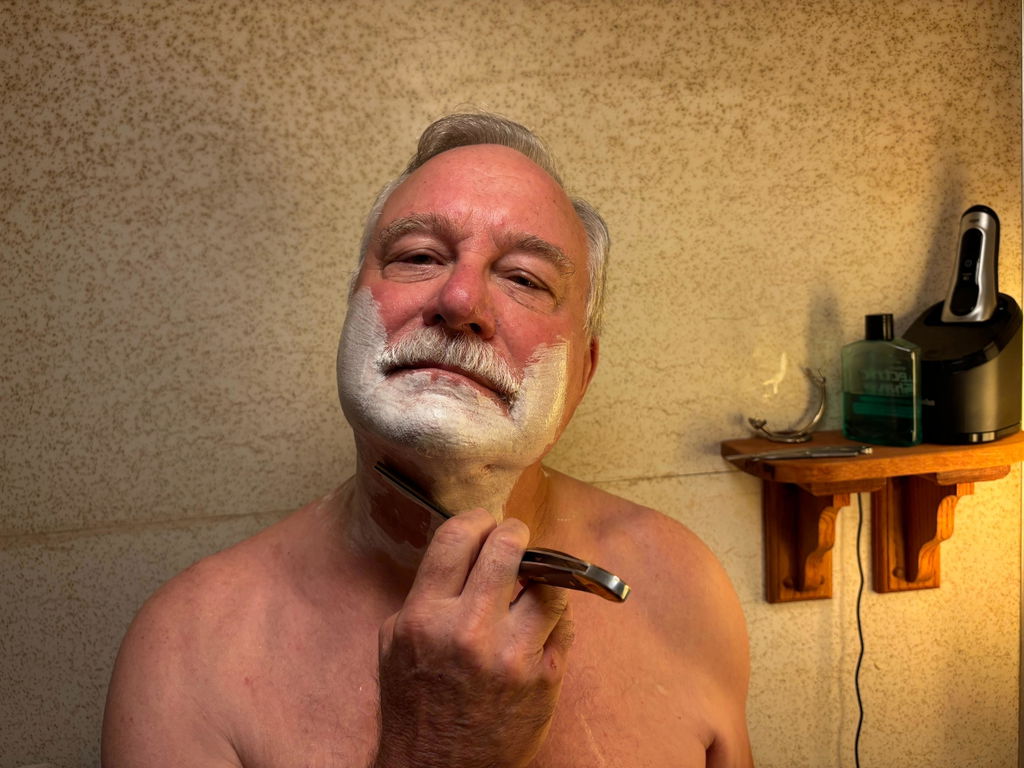
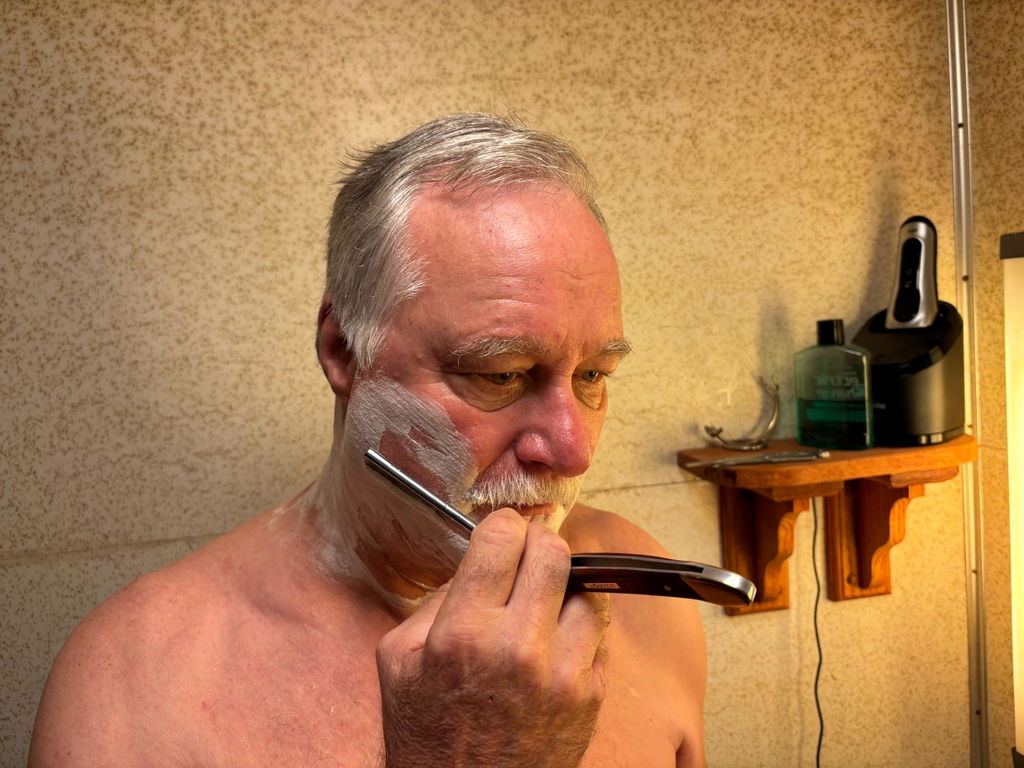
With the skin prepped, hold the straight razor at a 30-degree angle against the grain. Use virtually no pressure, letting the steel's natural weight do the work. Remember, the goal is to glide the edge with the steady hand of a free man, not to scrape the surface in a rush.
-
Step 5: Soothe and seal
Finish the process by rinsing with cold water to close your pores, then apply an artisan aftershave balm to soothe the skin. This final touch provides the sharp, clean look your 4th of July gatherings need, leaving you feeling refreshed and ready to celebrate.
Mastering these techniques transforms a potentially daunting task into a reliable, consistent skill that delivers the best shave of your life.
Curating Your 4th of July Kit: The Anatomy of Professional Grooming
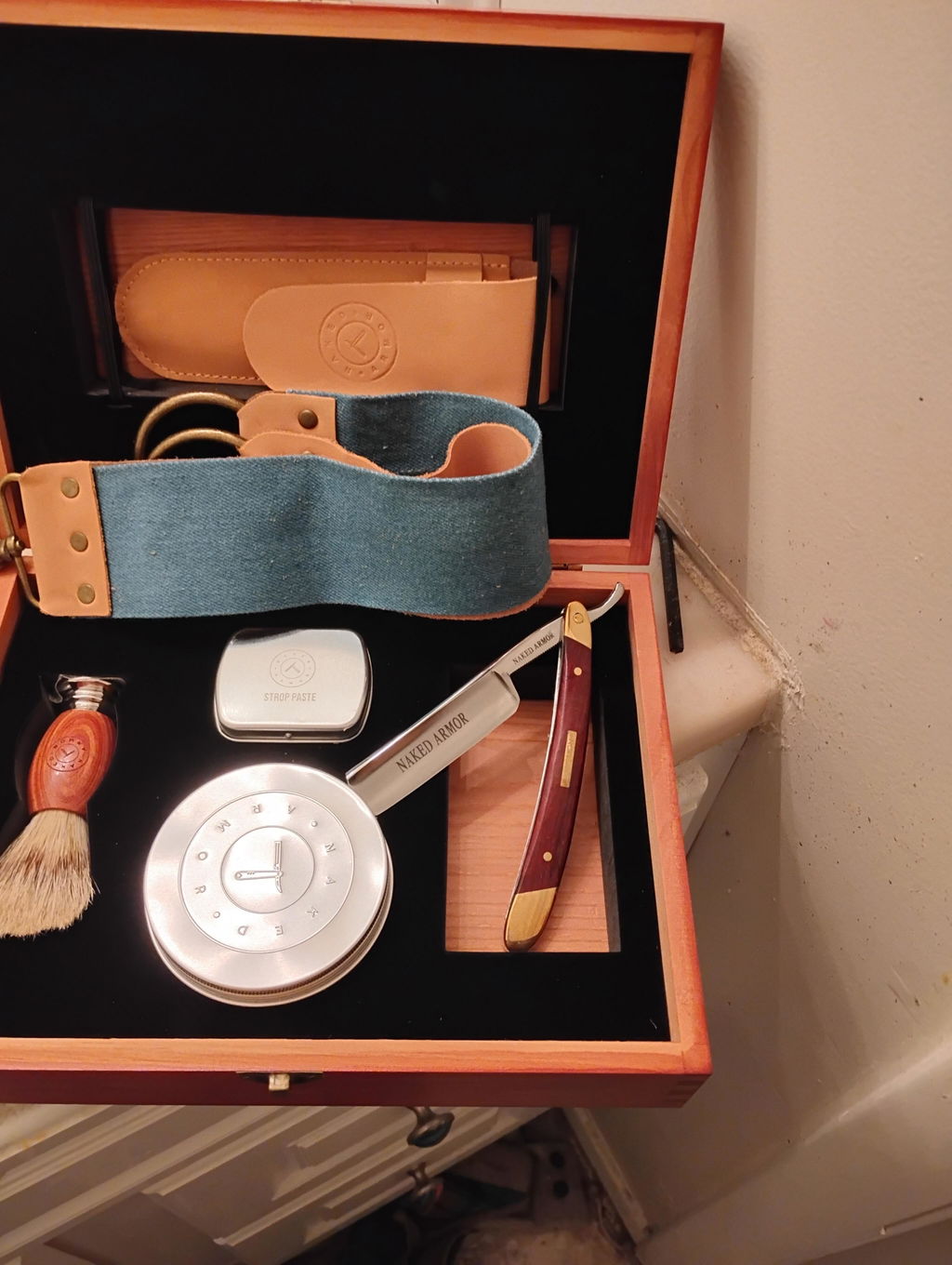
Turning a rushed morning chore into an authentic daily ritual requires having the proper, weighted gear in your hands. Whether you are carefully putting together your very first wet shaving setup, upgrading from cheap drugstore plastic, or looking over a digital page on a premium grooming website to find the perfect holiday gift for a husband, choosing heirloom-quality pieces—like the professional gear from Naked Armor—is what separates a master-level shave from just going through the motions.
When curating your premium kit to ensure you look impeccably sharp for your July holiday plans, focus on these core essentials:
-
The Straight Razor
The ultimate centerpiece. Masterfully forged from high-grade Japanese steel and balanced with an elegant wood handle, this razor holds an incredibly sharp, keen edge that disposable plastic alternatives can never replicate.
-
The Leather Travel Case
A handsome, durable leather shield designed to protect your blade from moisture and damage, keeping your razor secure whether at home or traveling over the holiday weekend.
-
The Leather Strop
The core maintenance tool for daily prep. Made from premium leather, it perfectly realigns the microscopic edge of your steel right before it touches your skin.
-
The Shaving Brush
A weighted, wood-handled brush built with badger-friendly fibers to gently exfoliate your skin and lift whiskers away from the face for a flawlessly close, smooth cut.
-
The Organic Shave Soap
Formulated without harsh chemicals or artificial propellants, this natural soap yields a dense, slick, yogurt-like cushion that flawlessly insulates your face from the raw steel.
-
The Sharpening Paste
Used alongside your strop, this paste provides the subtle abrasive edge needed to maintain exceptional sharpness and extend the life of your blade between professional honings.
All of these masterfully crafted components come together seamlessly in all-in-one kits like the Naked Armor Solomon Straight Razor Kit, giving you everything you need to claim absolute independence over your morning routine.
Essential Upgrades to Complete Your Setup
To elevate your Independence Day routine to a true luxury experience, consider adding these two premium accompaniments to your grooming station:
-
The Scuttle
Upgrading from a basic bowl to a traditional hot foam scuttle is a total game-changer for summer grooming. Featuring a dual-chamber design, you fill the inner reservoir with hot water, which continuously radiates heat upward—keeping your lather warm, thick, and exceptionally comfortable for multiple passes.
Product Recommendation: Naked Armor Silver Fox Scuttle Kit
-
The Stand
This tool is not merely for bathroom aesthetics. A dedicated, weighted zinc alloy stand keeps your razor and brush properly inverted to air-dry thoroughly. This is the simplest way to protect your financial investment and make your gear last for decades, especially when heavy summer holiday humidity sets in.
Product Recommendation: Naked Armor Zinc Alloy Stand for Straight Razor and Shaving Brush
Investing in these crucial companion pieces ensures your toolkit remains pristine, organized, and fully optimized to deliver a flawless, master-level shave every morning.
The Spectacle and the Celebration
 The grand spectacle: celebrating national pride and the enduring brilliance of freedom.
As the July afternoon progresses, the atmosphere of the holiday naturally shifts from the deeply personal to the grandly public. The historical timeline reminds us that while the Continental Congress initially voted for independence on July 2, 17765, the Declaration of Independence was formally adopted on July 4.
Great minds like Thomas Jefferson6, who meticulously drafted the document, and John Adams7, who famously predicted the date would be celebrated by future generations with pomps and parades, set a precedent for national pride.
From historic Philadelphia8, where those early independent states first gathered to defy British rule, to the bustling modern streets of New York City, the Fourth of July is a beautiful sensory overload. When twilight arrives, Americans celebrate by turning their collective attention to the night sky, where community fireworks displays provide the stunning climax to the national holiday:
-
Massive Displays: New York City proudly hosts the largest and most renowned public fireworks display in the country.
-
Technical Artistry: The legendary Macy’s fireworks show utilizes over 22 tons of advanced pyrotechnics to brilliantly light up the evening sky over the city.
- Patriotic Harmony: These massive visual shows are masterfully synchronized to classical patriotic music and historic songs, transforming the dark sky into a brilliant, cascading display of red, white, and blue.
Ultimately, the booming brilliance of these fireworks serves as a vivid reminder of the liberties we are actively protecting. While the grand spectacle in the night sky naturally captures our collective attention, the real, foundational work of maintaining our heritage and self-reliance happens quietly, on our own terms, long before the sun begins to set.
A Toast to Your Own Independence
This year, challenge yourself to fully reclaim the morning hours. Step intentionally away from the modern rush, master the discipline of artisan steel, and turn your grooming routine into a deliberate act of profound respect for the hard-won freedoms we enjoy today. By honoring the rich history of your tools and committing to the craft's patience, you are doing far more than simply removing stubble—you are actively participating in a living legacy of American excellence that is still being written.
Stand a little taller, carry yourself with the unshakeable confidence of a man who owns his time, and head into your Independence Day festivities with a clean slate. You are a blessed participant in this ongoing American story. Happy Fourth of July.
More Naked Armor Reads
The Anatomy of a Straight Razor
Is Shaving with a Straight Razor Better?
Guide to Traditional Wet Shaving
References
- American History Central. (2026). American History Central. American History Central
- Bump Stopper. (2025, March 11). From flint to five blades: A history of shaving. History of Shaving
- National Barber Museum & Hall of Fame. (n.d.). Barbering timeline. Barbering Timeline
- London School of Barbering. (n.d.). History of traditional barber shop. History of Traditional Barber Shops
- Waldstreicher, D. L. (2026, June 22). Independence Day. Encyclopedia Britannica. Independence Day
- Varsity Tutors. (n.d.). Why they asked Jefferson to write the first draft of the Declaration of Independence. Archiving Early America. Jefferson's First Draft of the Declaration of Independence
- Sunny 94.3. (2026, June 8). Celebrate Independence Day the John Adams way on July 2. John Adams
- Raphael, R. (2007). Revolutionary Philadelphia. History Now: The Journal, (11). Revolutionary Philadelphia










Leave a comment